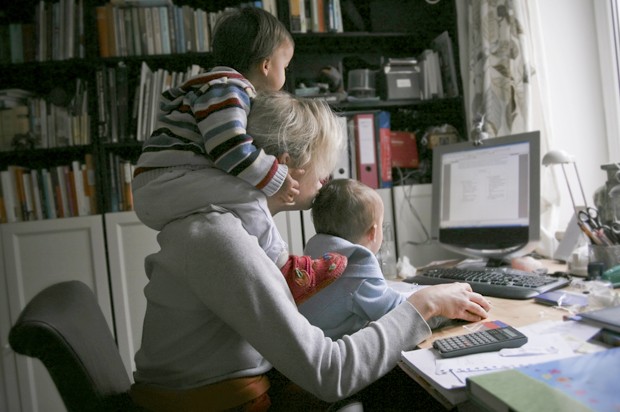
You’ve just brought a tiny human into the world, and everyone keeps telling you these should be the happiest days of your life. So why do you feel like you’re drowning?
If you’re experiencing any of these feelings, you’re not broken, you’re not a bad mother, and you’re far from alone. Between 50-80% of new mothers experience the “baby blues,” and up to 20% will develop postpartum anxiety or depression.
These aren’t character flaws or signs of weakness – they’re medical conditions with real physiological causes, and they’re treatable.
But here’s what makes this complicated: distinguishing between normal postpartum adjustment, baby blues, and more serious conditions like postpartum anxiety can feel nearly impossible when you’re in the thick of it.
Everything feels overwhelming when you’re running on two hours of sleep and your hormones are doing acrobatics. So let’s break down what’s what, and more importantly, when you need to reach out for help.
Understanding the baby blues
The baby blues typically arrive within the first few days after birth and last anywhere from a few days to two weeks. They’re caused by the dramatic hormonal shifts your body experiences after delivery – progesterone and estrogen levels plummet while prolactin rises, and your body is essentially recalibrating its entire hormonal system while simultaneously trying to heal and keep a tiny human alive.
Baby blues feel like emotional whiplash. You might cry happy tears, sad tears, frustrated tears, or tears for absolutely no reason you can identify. You feel overwhelmed, anxious, or irritable. You might question whether you can do this whole parenting thing. Sleep feels impossible even when the baby is sleeping, and you’re probably more exhausted than you’ve ever been in your life.
Here’s the key characteristic of baby blues: they’re temporary and manageable.
You still feel moments of joy and connection with your baby. You can sleep when you get the opportunity. You can eat. You can function, even if you’re crying while doing so. The feelings come in waves but don’t consume you entirely. Most importantly, they improve on their own within a couple of weeks as your hormones stabilize and you adjust to your new reality.
Baby blues don’t require medical treatment, but they do require support. Rest, proper nutrition, help from partners or family, and having realistic expectations about new motherhood can help you ride them out.
When it’s more than the blues: Postpartum anxiety
Postpartum anxiety (PPA) is less talked about than postpartum depression, but it’s actually more common, affecting 10-15% of new mothers. While some anxiety is normal for new parents – of course you’re concerned about this fragile life you’re responsible for – postpartum anxiety goes beyond normal worry into territory that significantly impacts your daily functioning.
PPA often shows up as intrusive, racing thoughts that you can’t shut off. You imagine worst-case scenarios constantly: the baby stops breathing, someone drops the baby, you accidentally hurt the baby, something terrible happens while you’re sleeping. These thoughts feel urgent and real, even when you rationally know they’re unlikely.
Physical symptoms are a hallmark of postpartum anxiety. Your heart races or pounds for no apparent reason. You might experience chest tightness, difficulty breathing, dizziness, or nausea.
Some women describe feeling constantly on edge, like they’re waiting for something terrible to happen. You might have trouble eating or sleeping even when the baby is settled. Your muscles stay tense, you startle easily, and you feel like you can’t relax even for a moment.
Unlike baby blues, postpartum anxiety doesn’t improve on its own within two weeks. It often persists or worsens, and it significantly interferes with your ability to enjoy your baby, rest, or function normally. The anxiety feels disproportionate to actual risk, and you might recognize this intellectually while still feeling unable to control the anxious thoughts and feelings.
The overlap
It’s worth mentioning that postpartum depression (PPD) often occurs alongside anxiety, and the two can be difficult to untangle. PPD typically includes persistent sadness, hopelessness, loss of interest in things you used to enjoy, difficulty bonding with your baby, feelings of inadequacy or worthlessness, and thoughts that your baby would be better off without you.
If you’re experiencing symptoms of both anxiety and depression, you’re not imagining it – they commonly coexist. Many women with postpartum mood disorders experience a combination of anxious and depressive symptoms, and treatment addresses both.
Why this happens (and why it’s not your fault)
The causes of postpartum anxiety and depression are complex and multifaceted. Hormonal changes are a major factor – the dramatic drop in reproductive hormones after birth affects neurotransmitter function in your brain, particularly serotonin and dopamine, which regulate mood and anxiety.
But it’s not just hormones. Sleep deprivation profoundly impacts mental health, and new parents are experiencing some of the most severe and prolonged sleep disruption possible. Your thyroid function can be disrupted postpartum, affecting mood and energy. If you had a traumatic birth experience, you might be processing that trauma while simultaneously caring for a newborn.
Certain factors increase risk: a personal or family history of anxiety or depression, previous postpartum mood disorders, stressful life circumstances, lack of social support, complicated pregnancies or births, or babies with health issues or difficult temperaments.
Here’s the important part: postpartum anxiety can affect anyone, regardless of whether you have these risk factors. Having a wanted pregnancy, a supportive partner, and financial stability doesn’t make you immune.
When to seek help
Seek help right away if you’re experiencing:
- Thoughts of harming yourself or your baby
- Severe panic attacks that feel uncontrollable
- Inability to care for yourself or your baby
- Complete disconnection from reality or hearing/seeing things that aren’t there
- Intrusive thoughts about harming your baby that feel like urges rather than unwanted worries
- Inability to sleep at all, even when exhausted and the baby is sleeping
- Extreme agitation or restlessness that prevents basic functioning
If you’re having thoughts of self-harm or harming your baby, call your local Suicide and Crisis Lifeline immediately or go to your nearest emergency room. These thoughts are symptoms of a treatable illness, not a reflection of who you are as a mother.
When to call your doctor
You should reach out to your healthcare provider if:
- Your symptoms persist beyond two weeks postpartum
- Your anxiety or sadness is getting worse rather than better
- You’re having difficulty bonding with your baby
- You’re avoiding activities or withdrawing from people
- Your sleep is severely disrupted even when you have opportunities to rest
- You’re having persistent intrusive thoughts
- Physical symptoms of anxiety (racing heart, difficulty breathing, nausea) are frequent
- You’re struggling to complete basic daily tasks
- Your symptoms are interfering with your ability to care for yourself or your baby
- You just feel like something isn’t right, even if you can’t articulate exactly what
Trust your instincts. If you’re questioning whether you should call, that question itself is usually a sign that you should.
Breaking through the barriers
Many women don’t seek help for postpartum anxiety because of shame, guilt, or fear. Let’s address the most common barriers:
“I should be happy. I wanted this baby.” Postpartum mood disorders have nothing to do with how much you wanted your baby or how much you love them. This is a medical condition, not a referendum on your feelings about motherhood.
“Other people have it worse.” Having supportive circumstances doesn’t prevent postpartum anxiety. Your struggle is valid regardless of whether others might perceive your situation as “good.”
“I’m afraid they’ll think I’m a bad mother or take my baby away.” Healthcare providers understand postpartum mood disorders are medical conditions. Seeking help demonstrates that you’re a responsible parent taking care of your health so you can better care for your child.
“I should be able to handle this on my own.” You wouldn’t try to handle diabetes or a broken bone without medical help. Mental health conditions are no different. Seeking treatment is a sign of strength, not weakness.
What treatment looks like
Postpartum anxiety is highly treatable, and most women see significant improvement with appropriate care. Treatment typically involves one or more of the following:
Therapy: Cognitive-behavioral therapy (CBT) is particularly effective for postpartum anxiety. A therapist can help you identify and change anxious thought patterns, develop coping strategies, and work through the adjustment to motherhood.
Medication: Antidepressants, particularly SSRIs, are often prescribed for postpartum anxiety and can be very effective. Many are safe during breastfeeding, and your doctor can help you weigh the risks and benefits.
Support groups: Connecting with other mothers experiencing similar struggles can be incredibly validating. Knowing you’re not alone and hearing how others cope can provide both practical strategies and emotional support.
Lifestyle interventions: While these alone don’t treat postpartum anxiety, they support recovery. This includes prioritising sleep (even if it means asking for help with night feedings), eating regular nutritious meals, gentle movement when possible, and accepting support from others.
Practical support: Sometimes reducing stressors helps improve symptoms. This might mean hiring help, asking family members to assist with household tasks, or giving yourself permission to lower your standards temporarily.
If you’re reading this and recognising yourself in the description of postpartum anxiety, please hear this: what you’re experiencing is real, it’s not your fault, and it won’t last forever with proper treatment.
The mother you want to be – the one who can enjoy her baby, feel present and connected, and experience joy alongside the challenges – is still there. The anxiety is just temporary. With help, you can get back to yourself, and usually much faster than you’d expect.
Your baby needs you healthy and well, not perfect and suffering. Seeking help isn’t selfish; it’s one of the most loving things you can do for your child. They benefit far more from a mother who’s treating her anxiety than from a mother who’s silently drowning while trying to appear fine.